


World Architecture Day 2026: Round Table Conversation - Housing is a Human Right. Build it.
Date: 14 October 2026
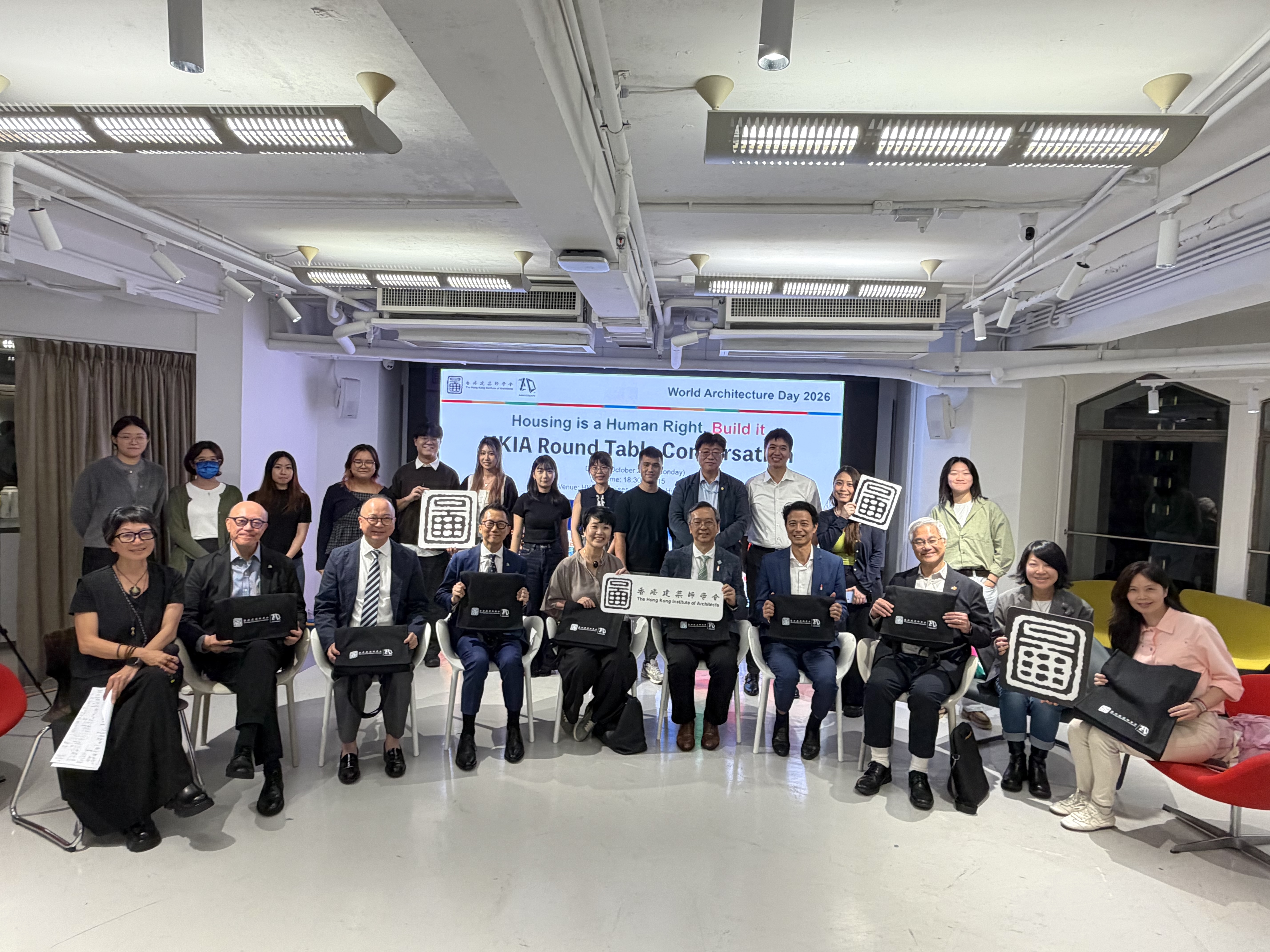
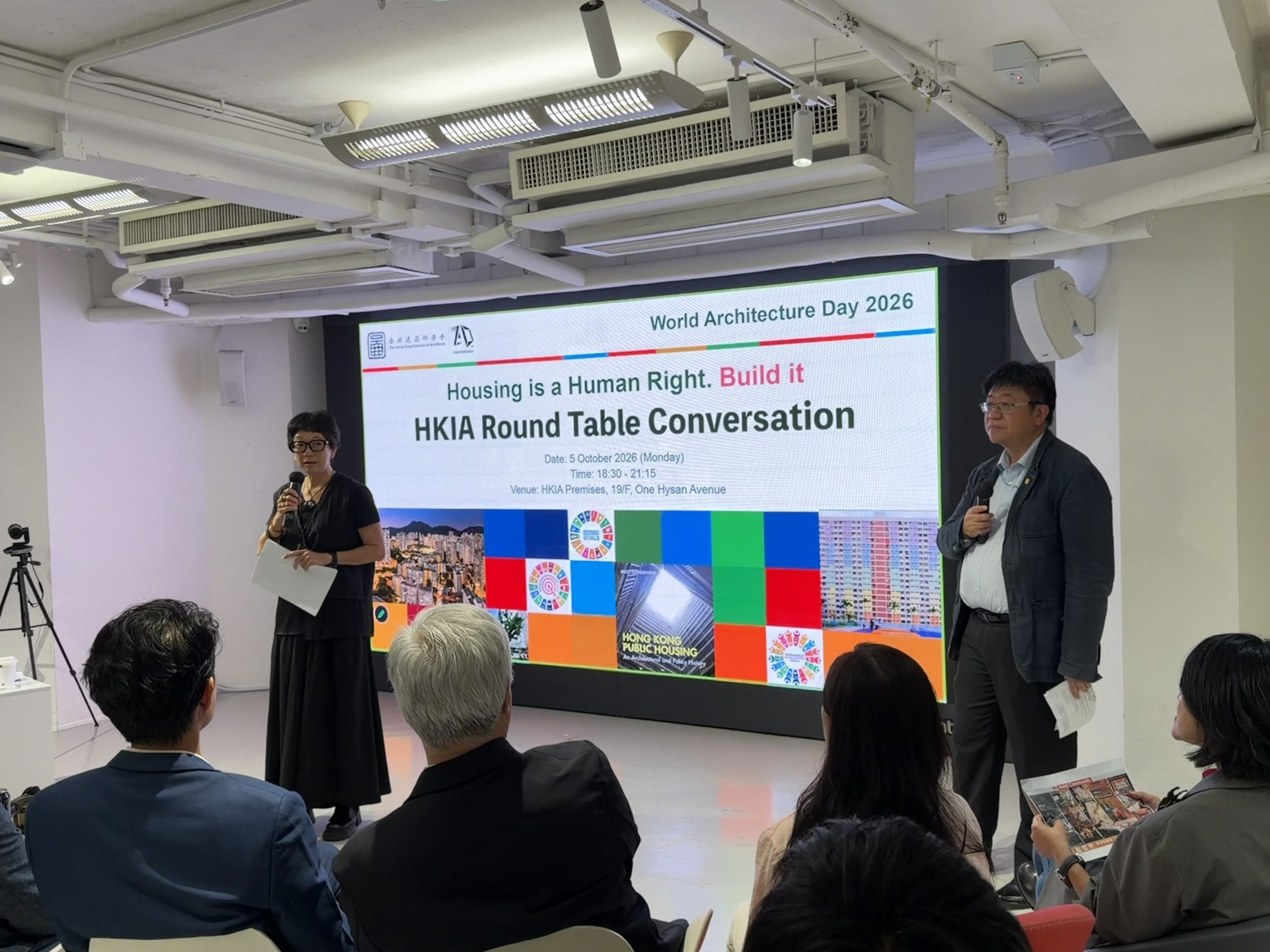
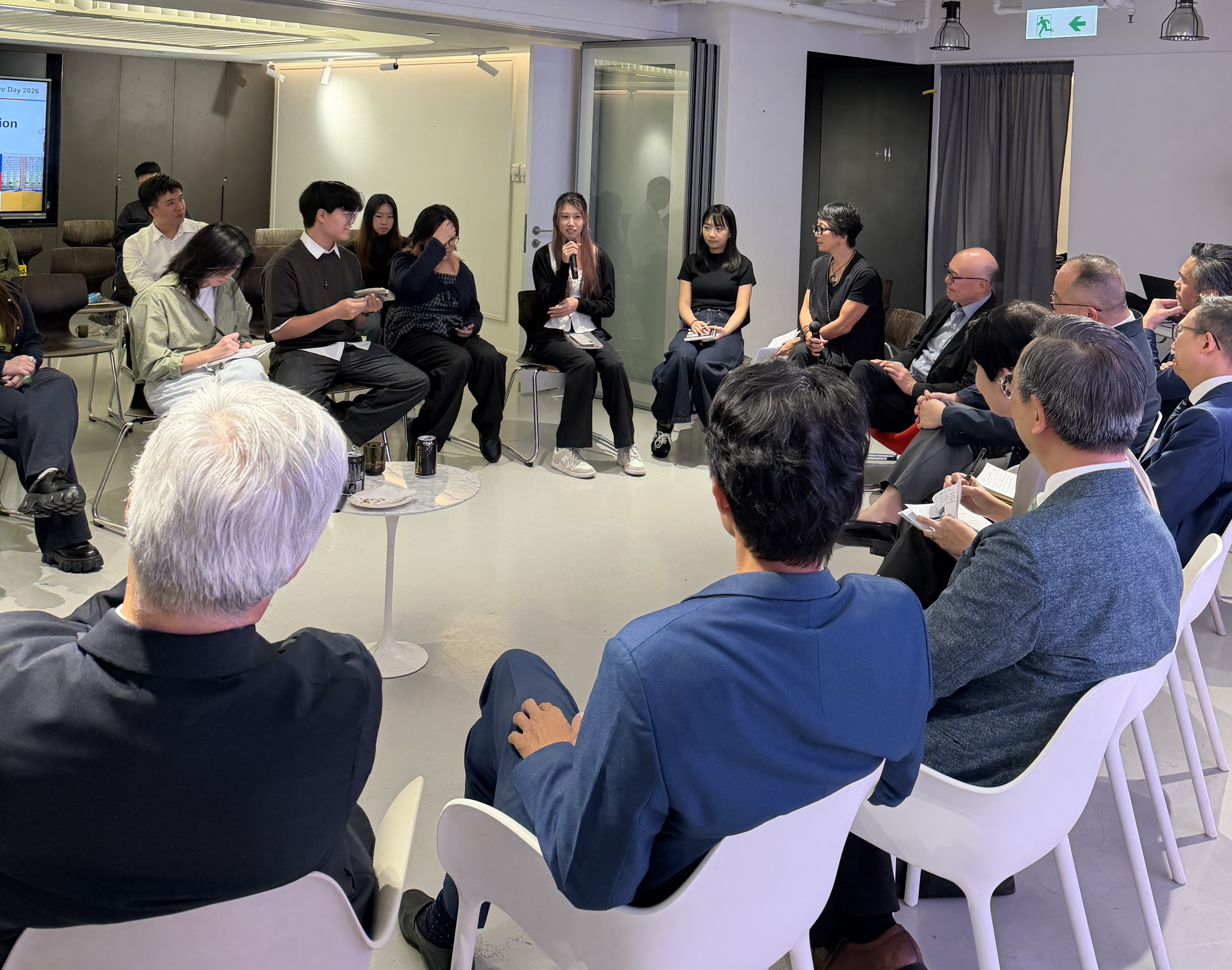
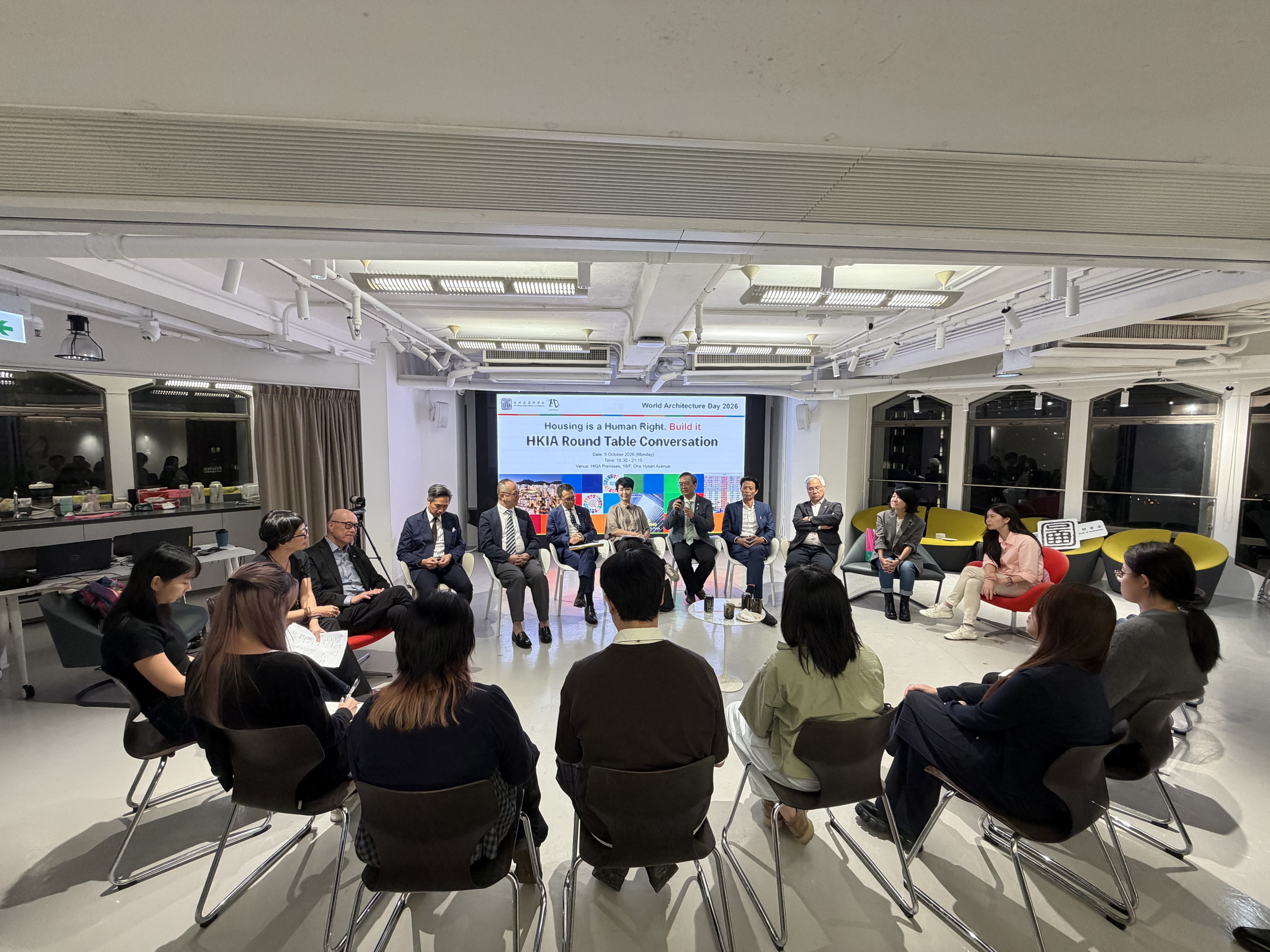
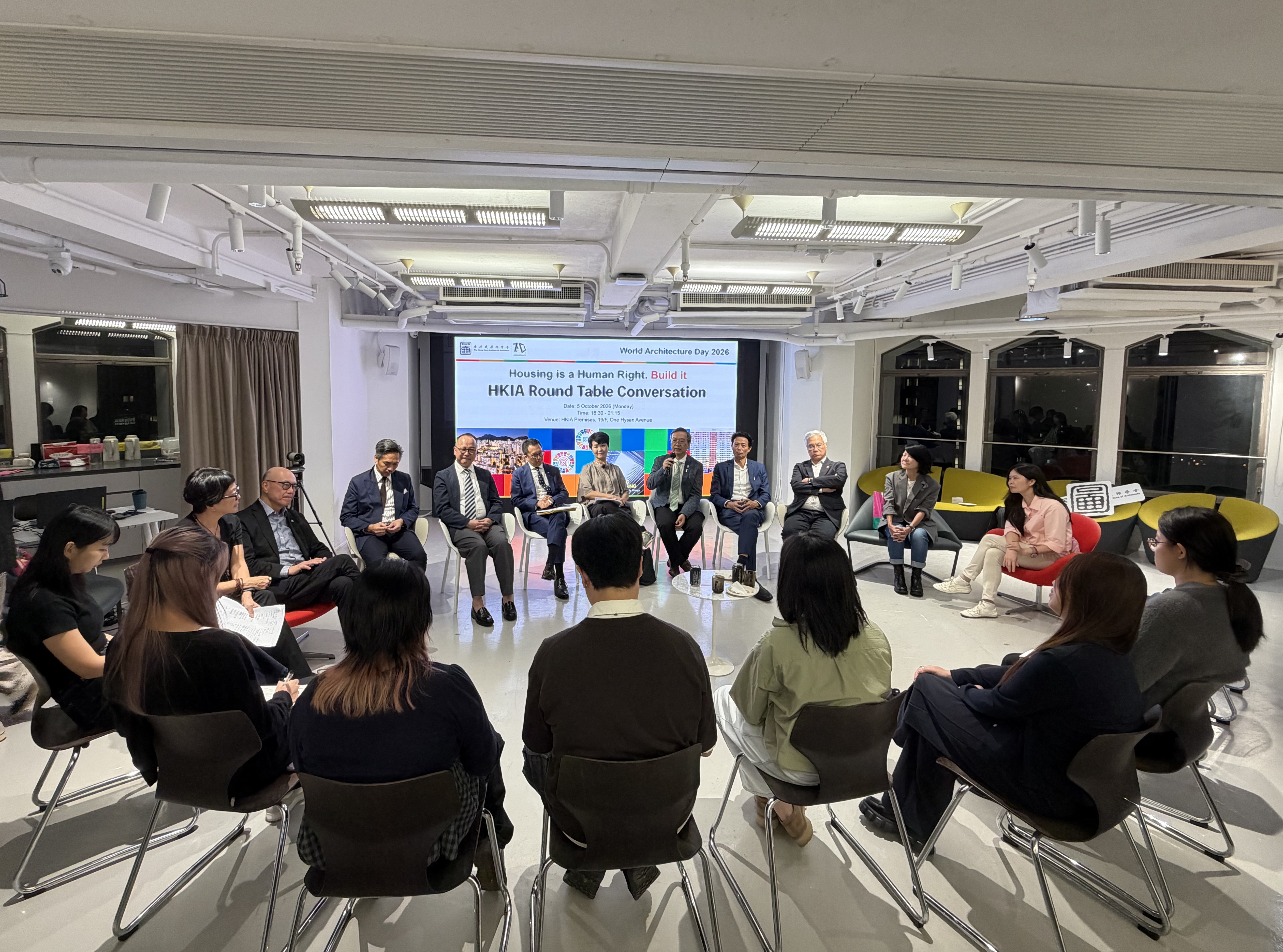
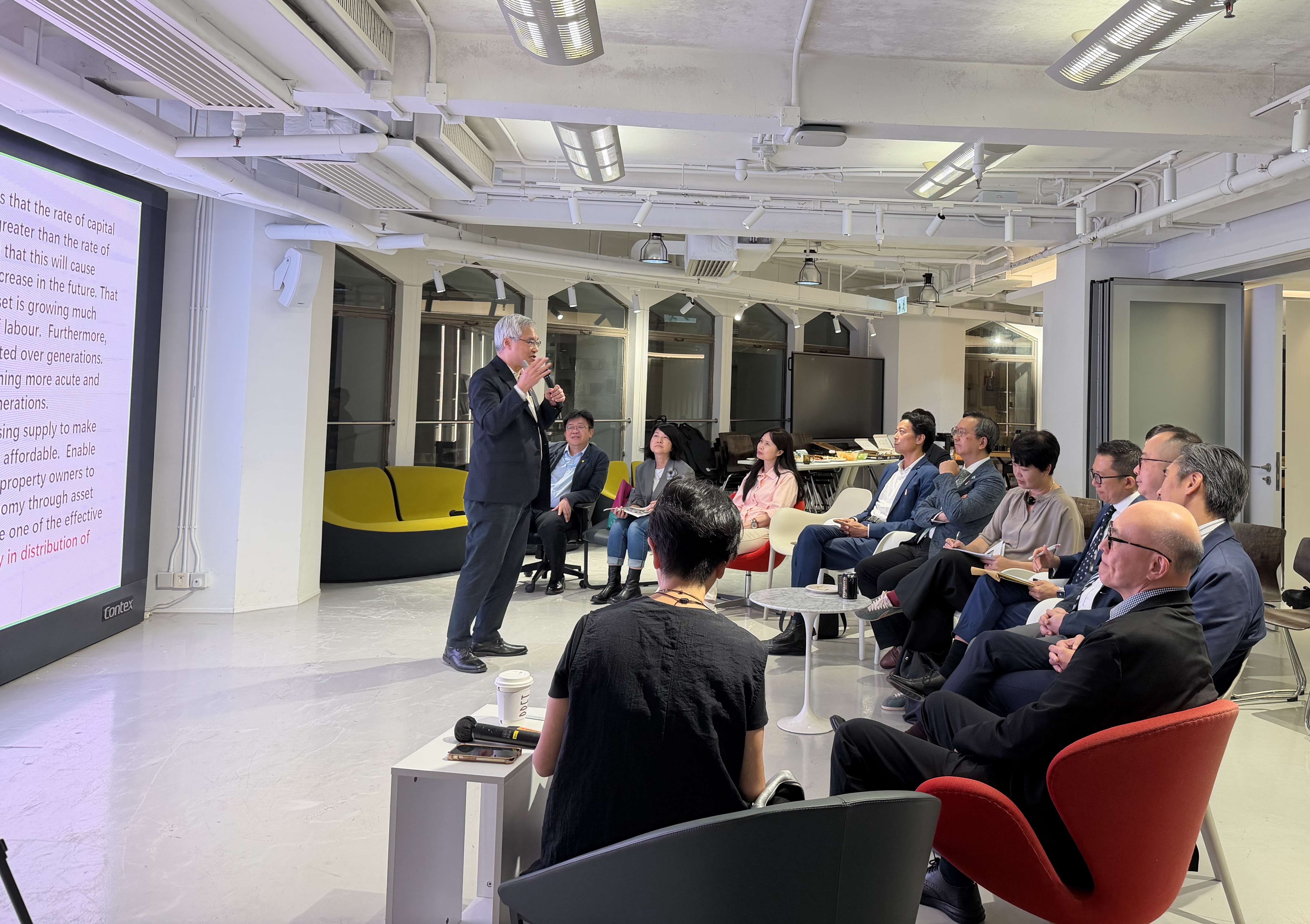
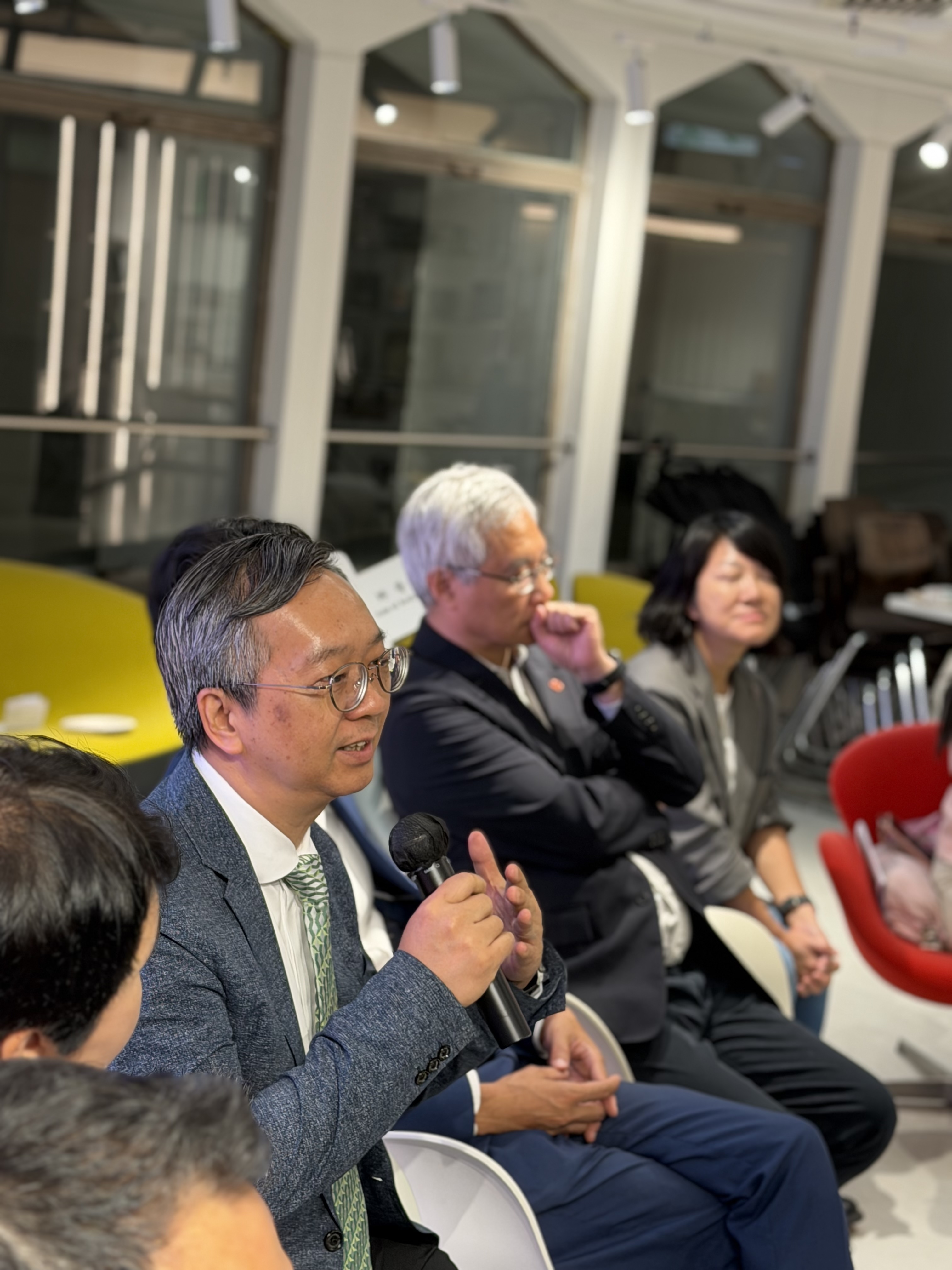
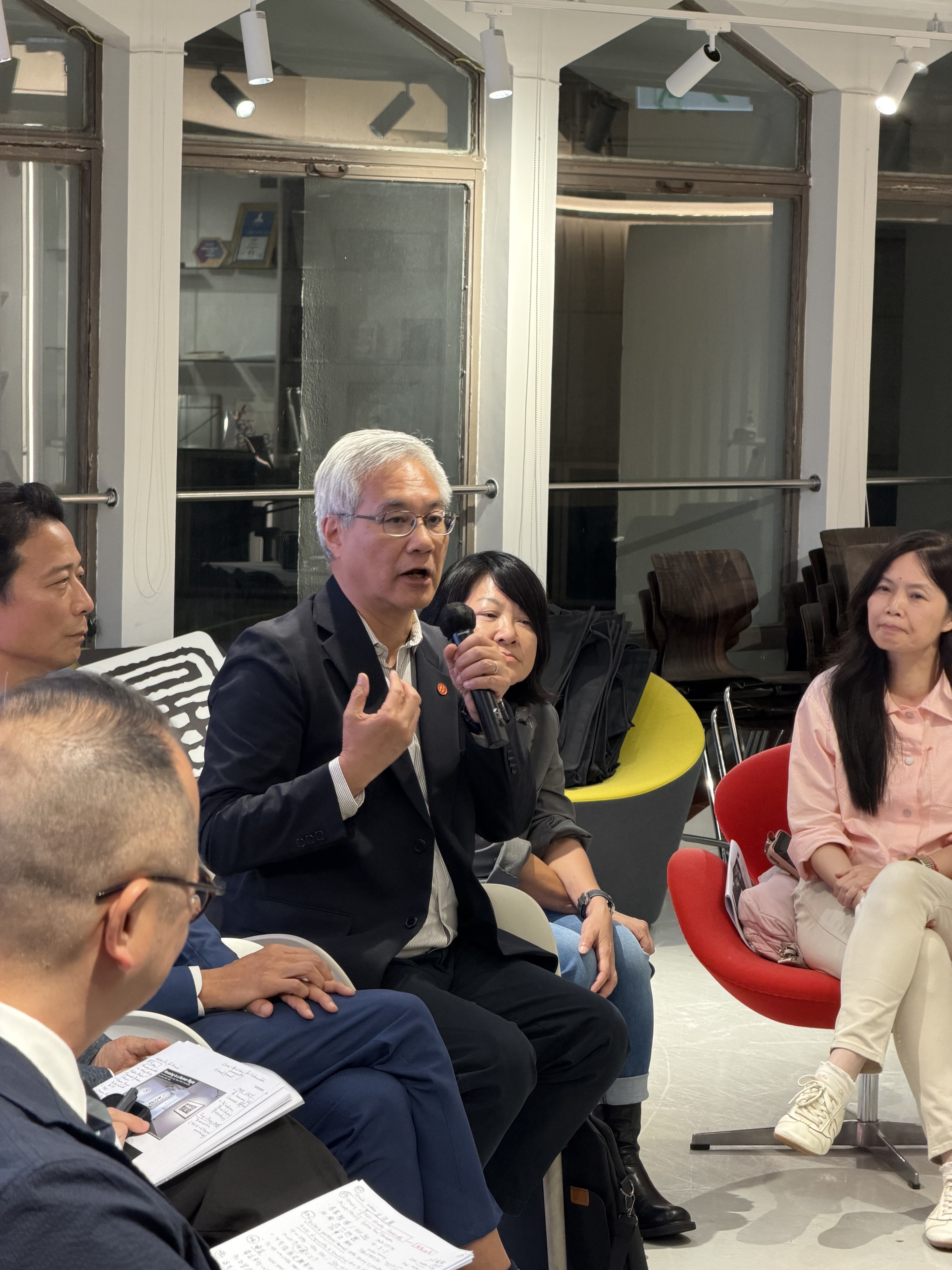
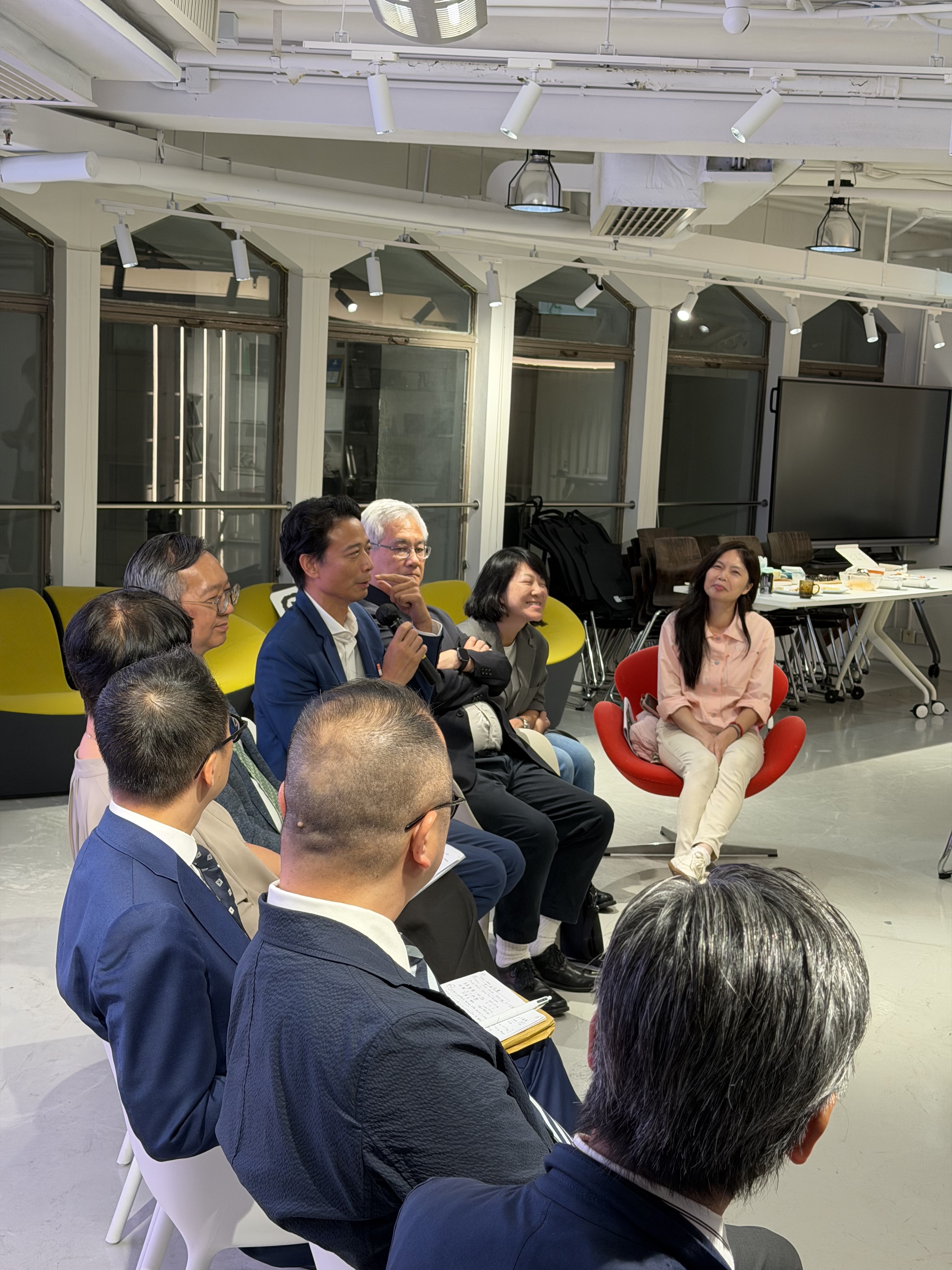
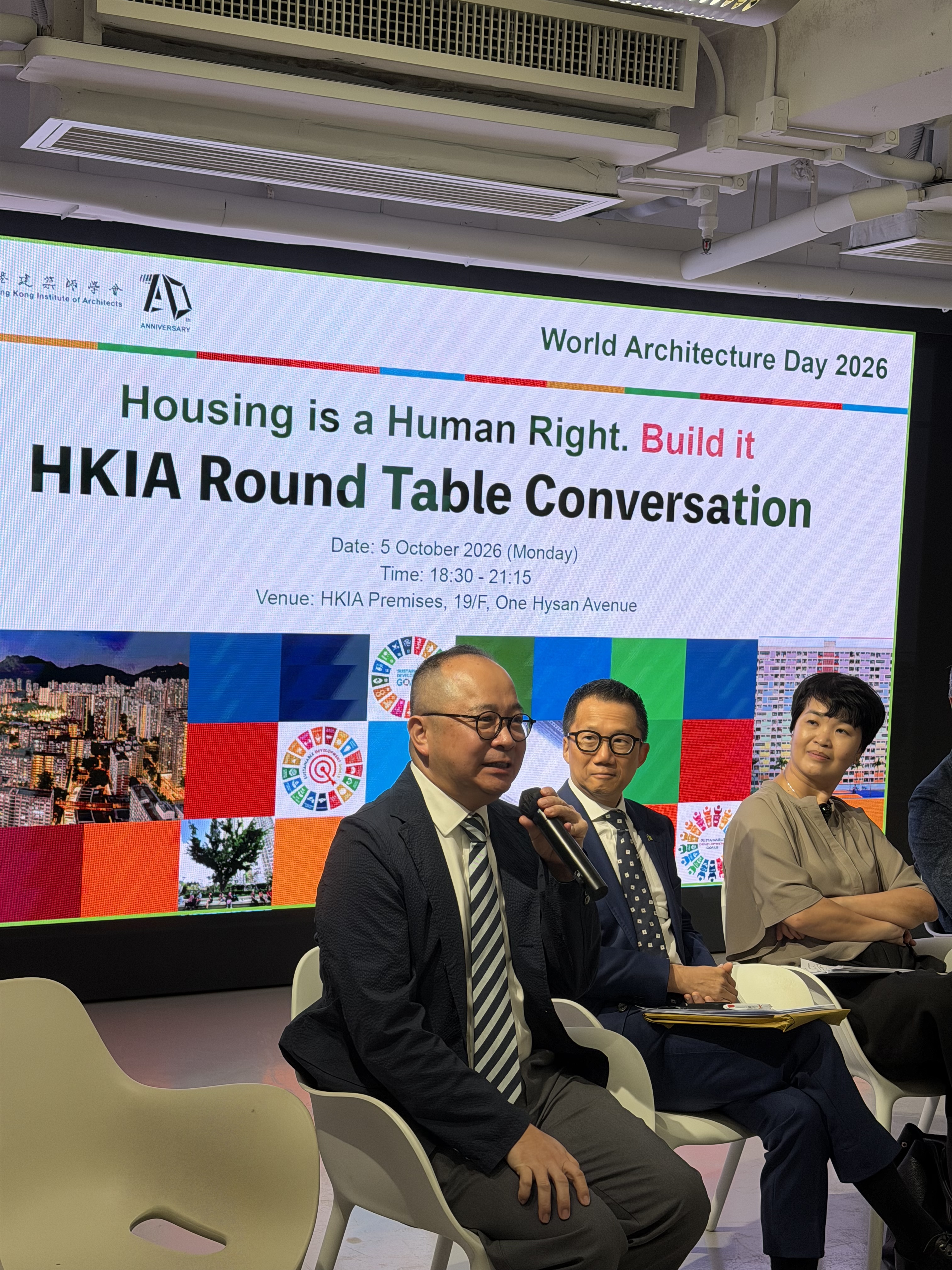
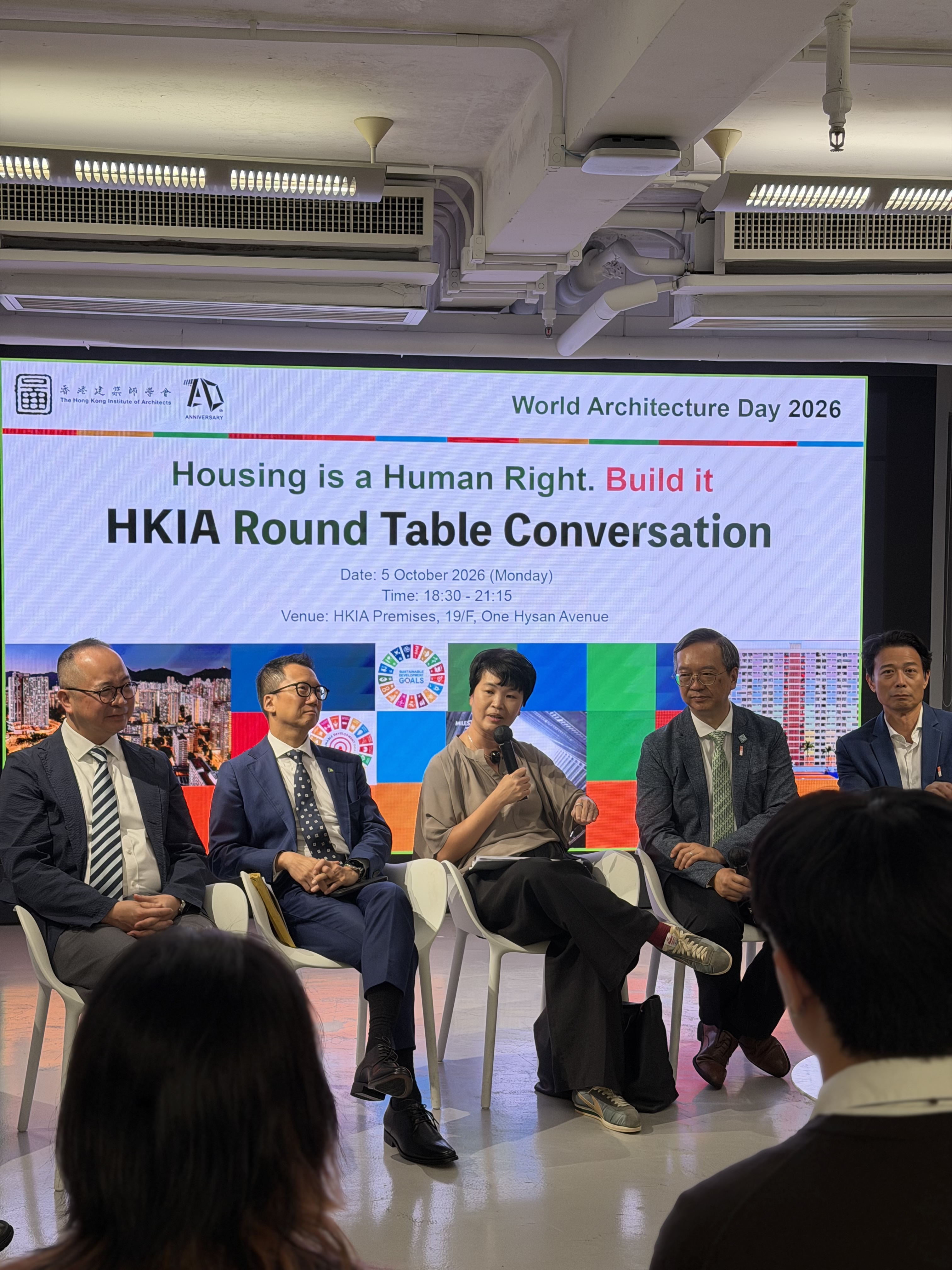
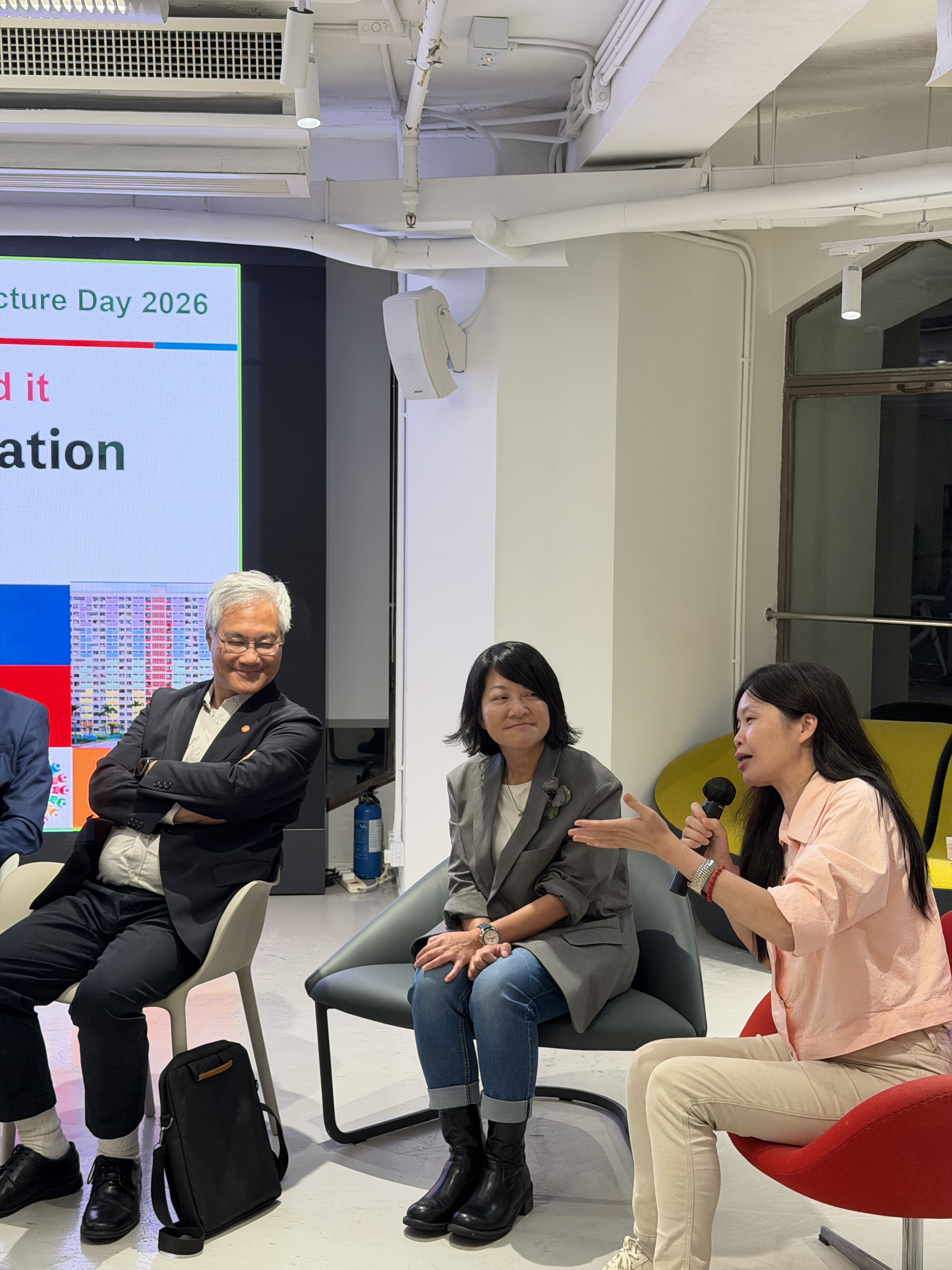
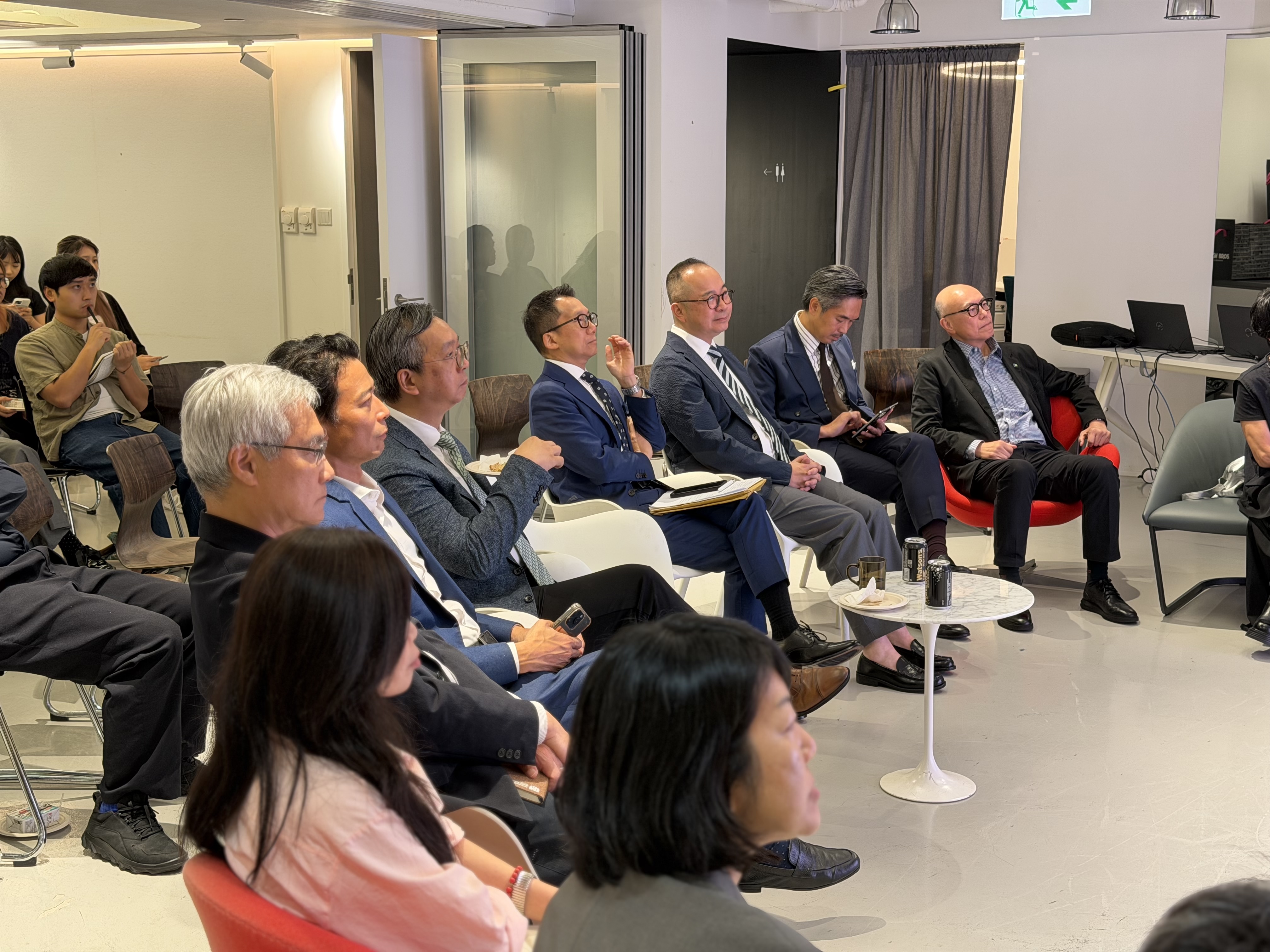
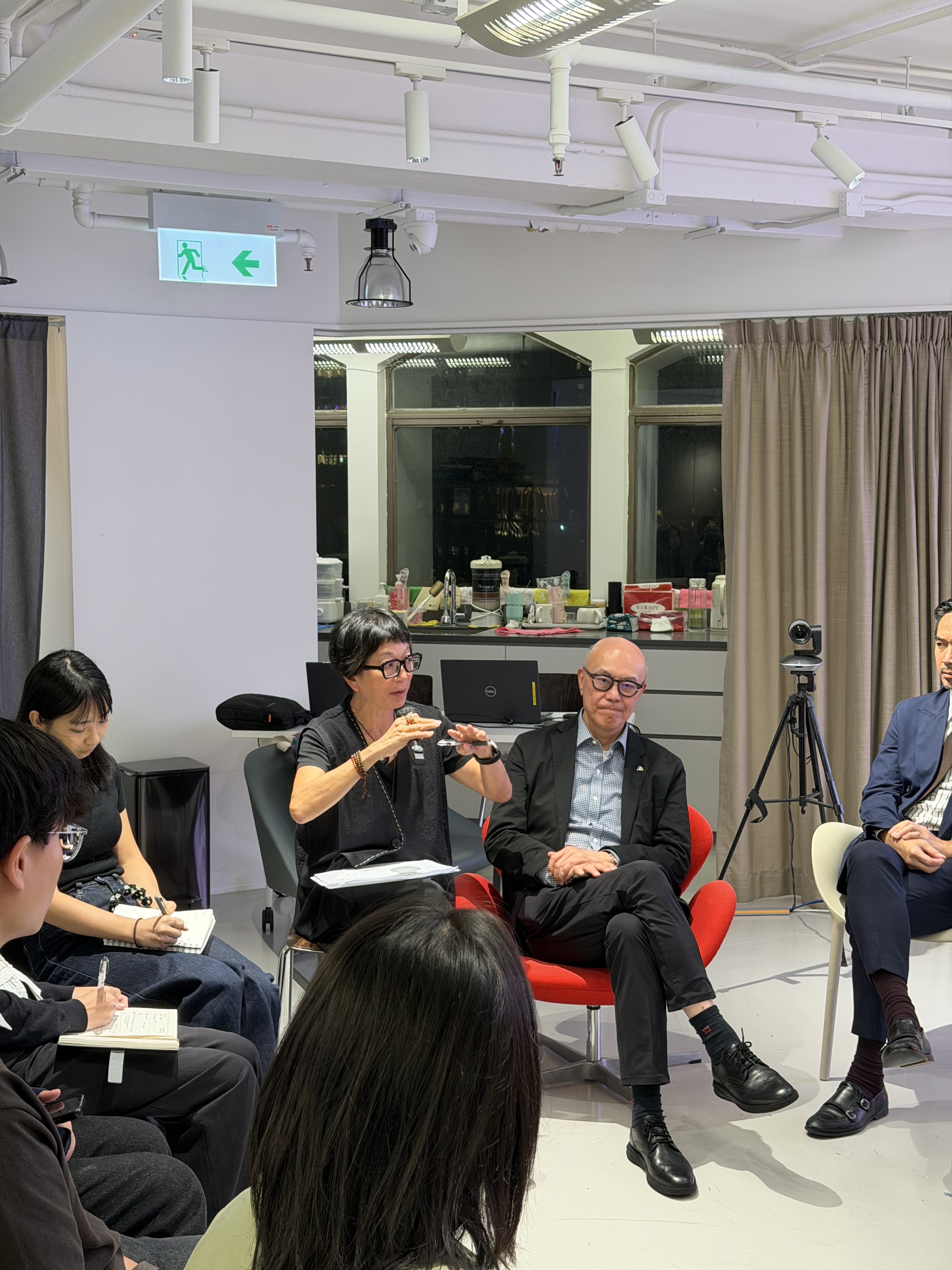
On 5 October 2026, industry leaders, government officials, architects, community advocates, and students gathered at the HKIA premises for the World Architecture Day 2026 Round Table Conversation. Echoing this year's UIA global theme—"Housing is a Human Right. Build it."—the dialogue tackled Hong Kong’s complex housing challenges through the lens of spatial justice, exploring actionable strategies to improve affordability, liveability, and social equity.
The consensus was clear: housing must transcend being treated merely as a commodity and be recognised as a fundamental human right essential for dignity. Achieving this requires powerful, cross-sector collaboration across government, private developers, NGOs, academia, and the younger generation.
Key takeaways from our distinguished panel and participants included:
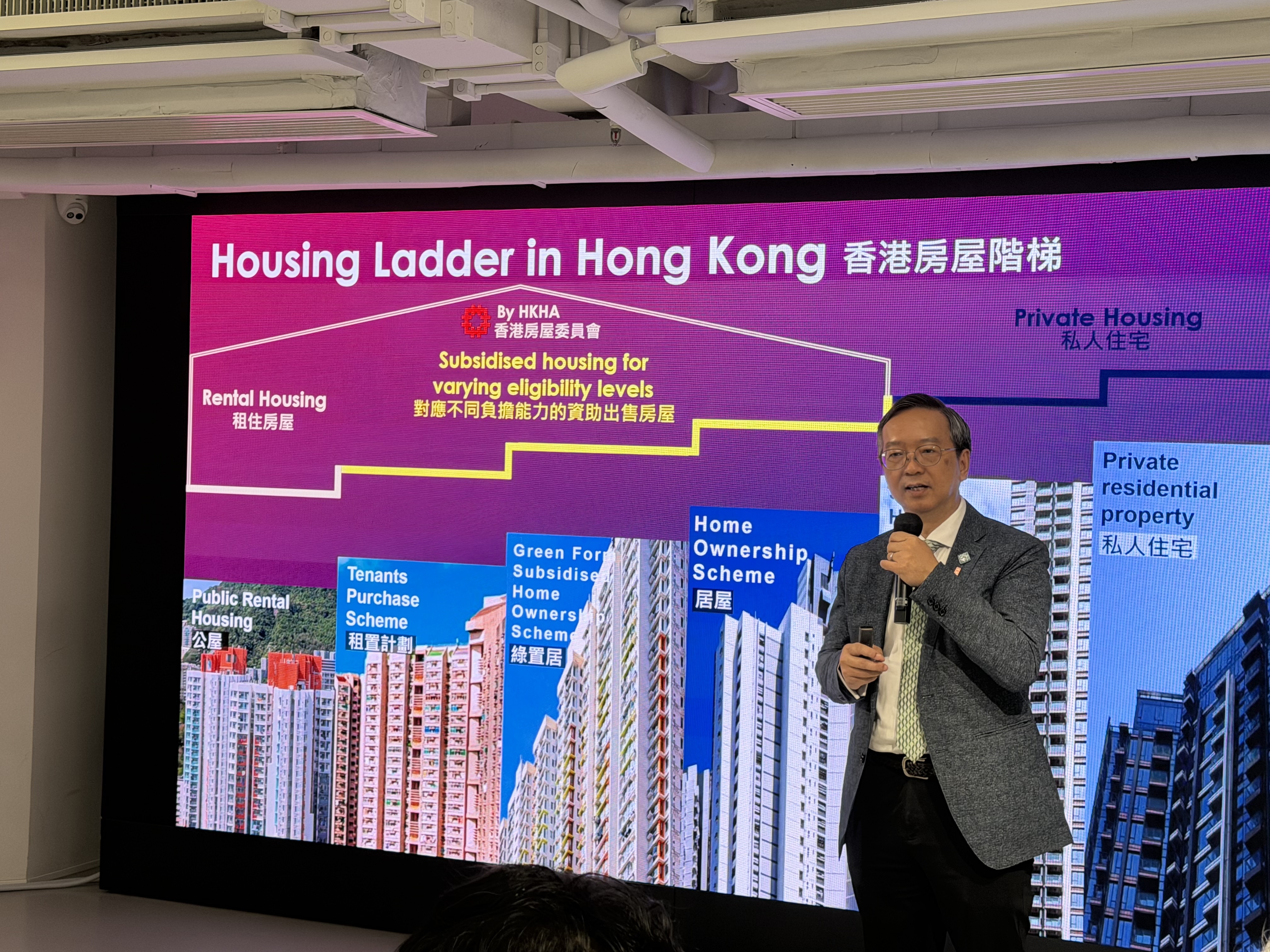
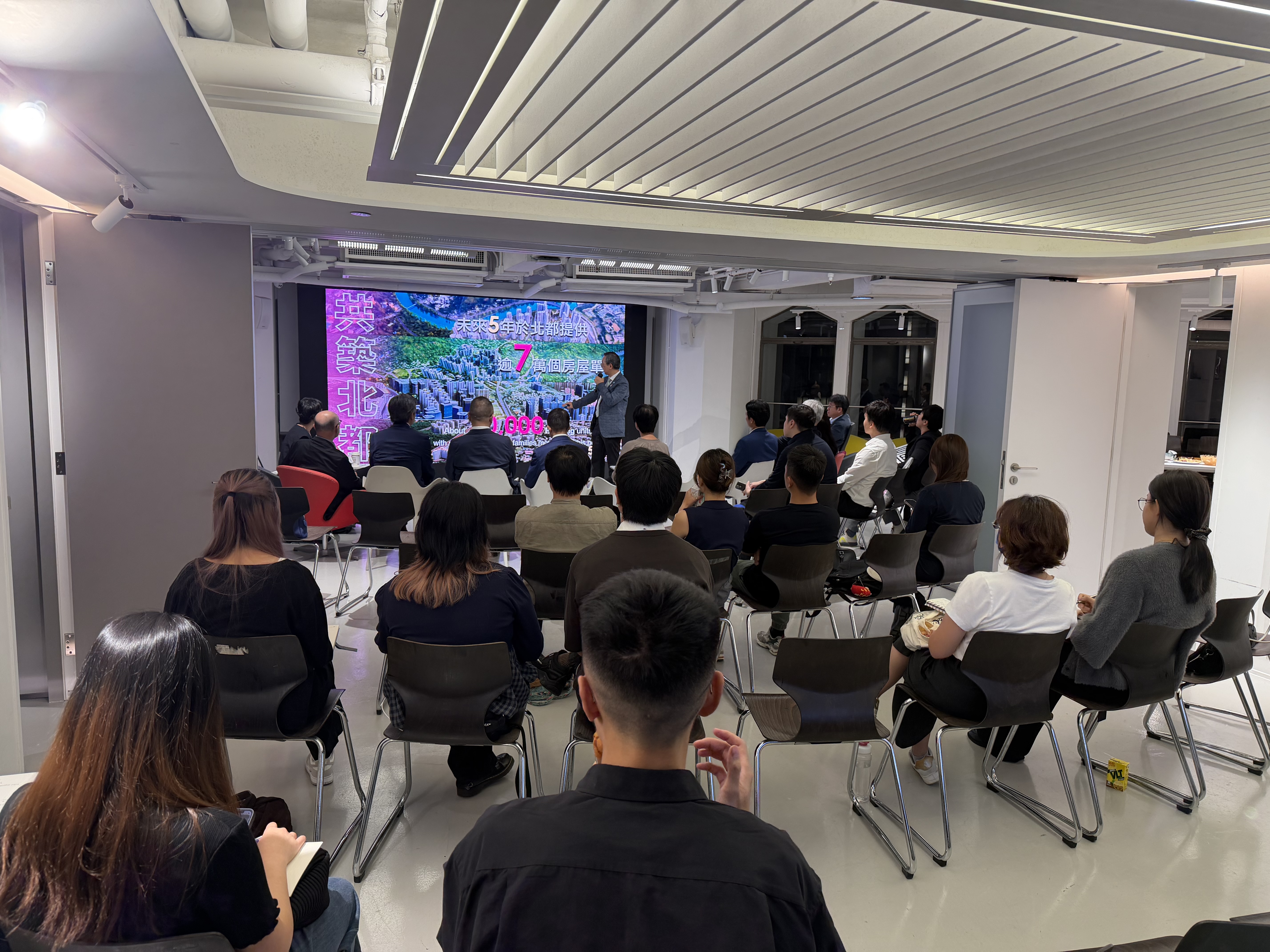
- Accelerating Supply & Ending Substandard Housing: Ar. Victor Tai (Under Secretary for Housing, Housing Bureau) detailed the government's strategy to reduce public housing wait times through the rapid rollout of Light Public Housing and Simplified Public Housing. Enforcing new minimum standards to phase out inadequate subdivided flats remains an urgent priority.
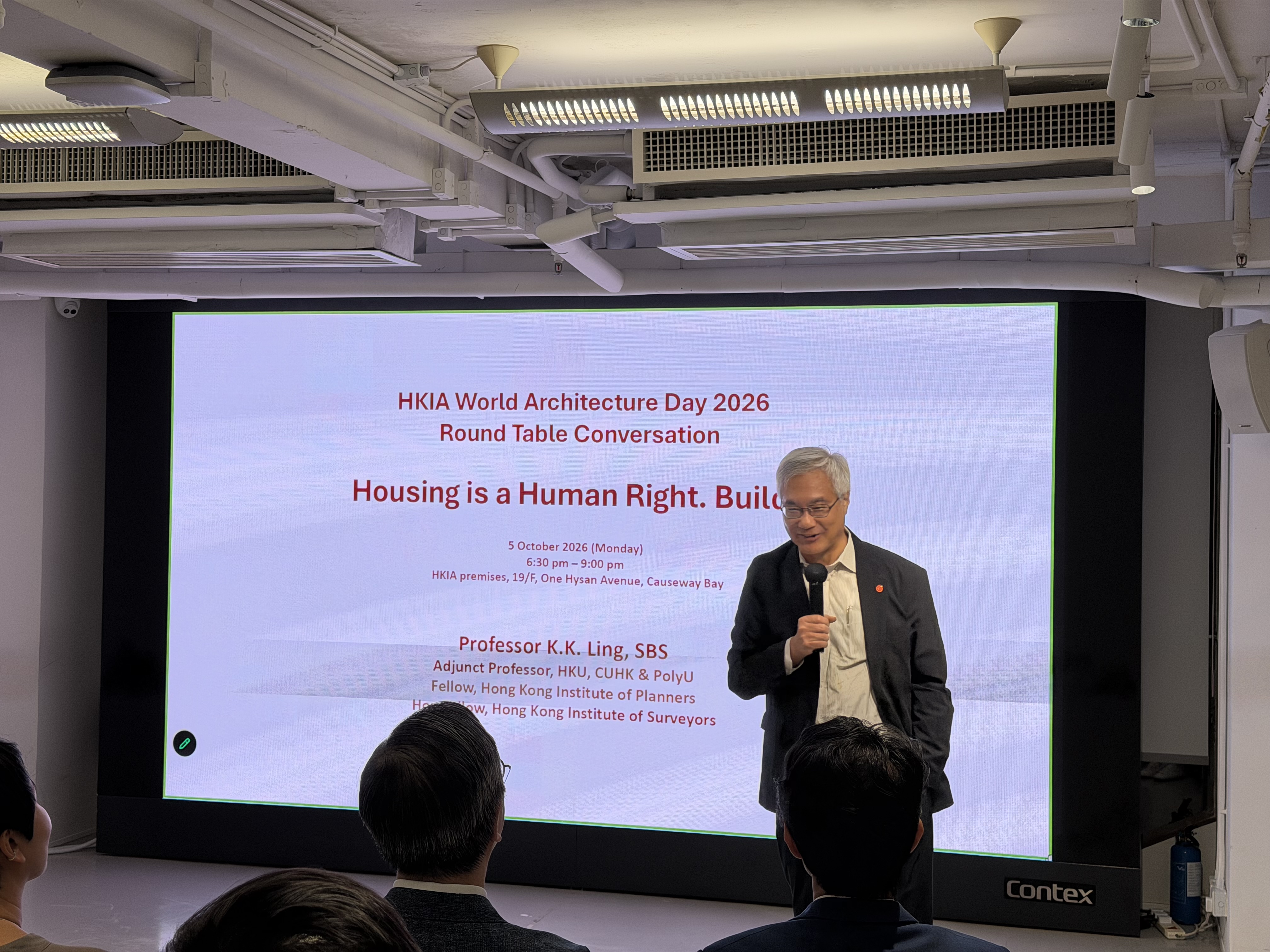
- Learning from the Past for Future Planning: Speaking as an urban planner, Prof. K.K. Ling (Chairman, Hong Kong Housing Society) provided crucial historical context. He stressed the necessity of learning from past difficulties in land acquisition and the impacts of economic shocks, such as the 1997 Asian Financial Crisis. To avoid repeating the stop-start policy mistakes of the past, he advocated for a sustained, counter-cyclical commitment to land supply to fundamentally improve long-term affordability.
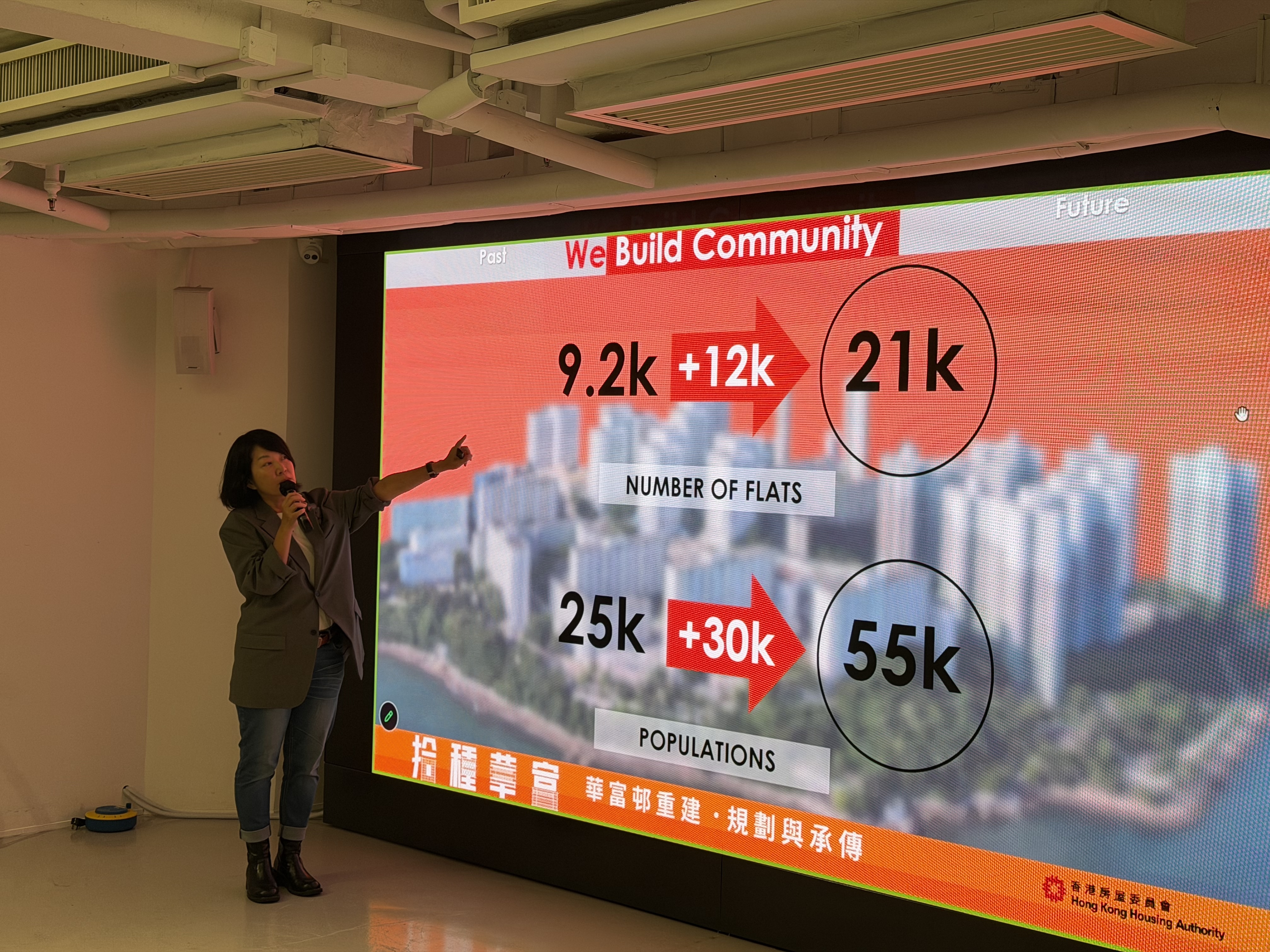
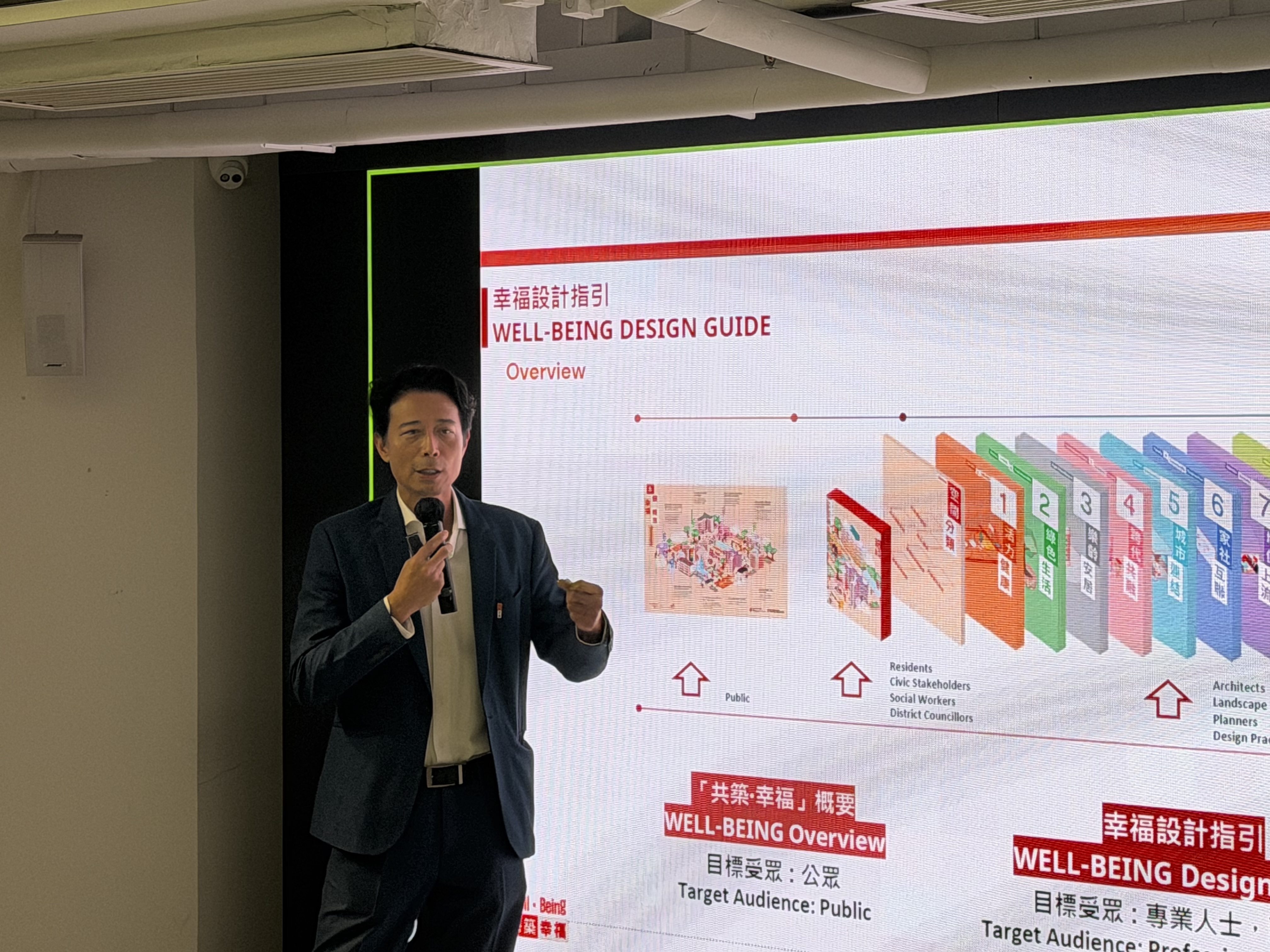
- Resident-Centred "Wellbeing Design": Redevelopment must preserve the community fabric. Ar. Helen Leung (Chief Architect, Housing Department) presented the Wah Fu Estate project as a benchmark, utilising extensive resident interviews to co-design spaces that honour cultural heritage and local bonds. Expanding on the importance of preserving historical significance during the redevelopment of iconic public housing like Choi Hung Estate, Dr. Tim Li (Chief Architect, Housing Department) introduced the department's Well • Being Design Guide. He emphasised their commitment to infusing "warmth" into large-scale construction, offering the powerful insight that keeping housing responsive to evolving needs requires continuous surveys and interactive engagement built upon trust and compromise, forged through repeated workshops.
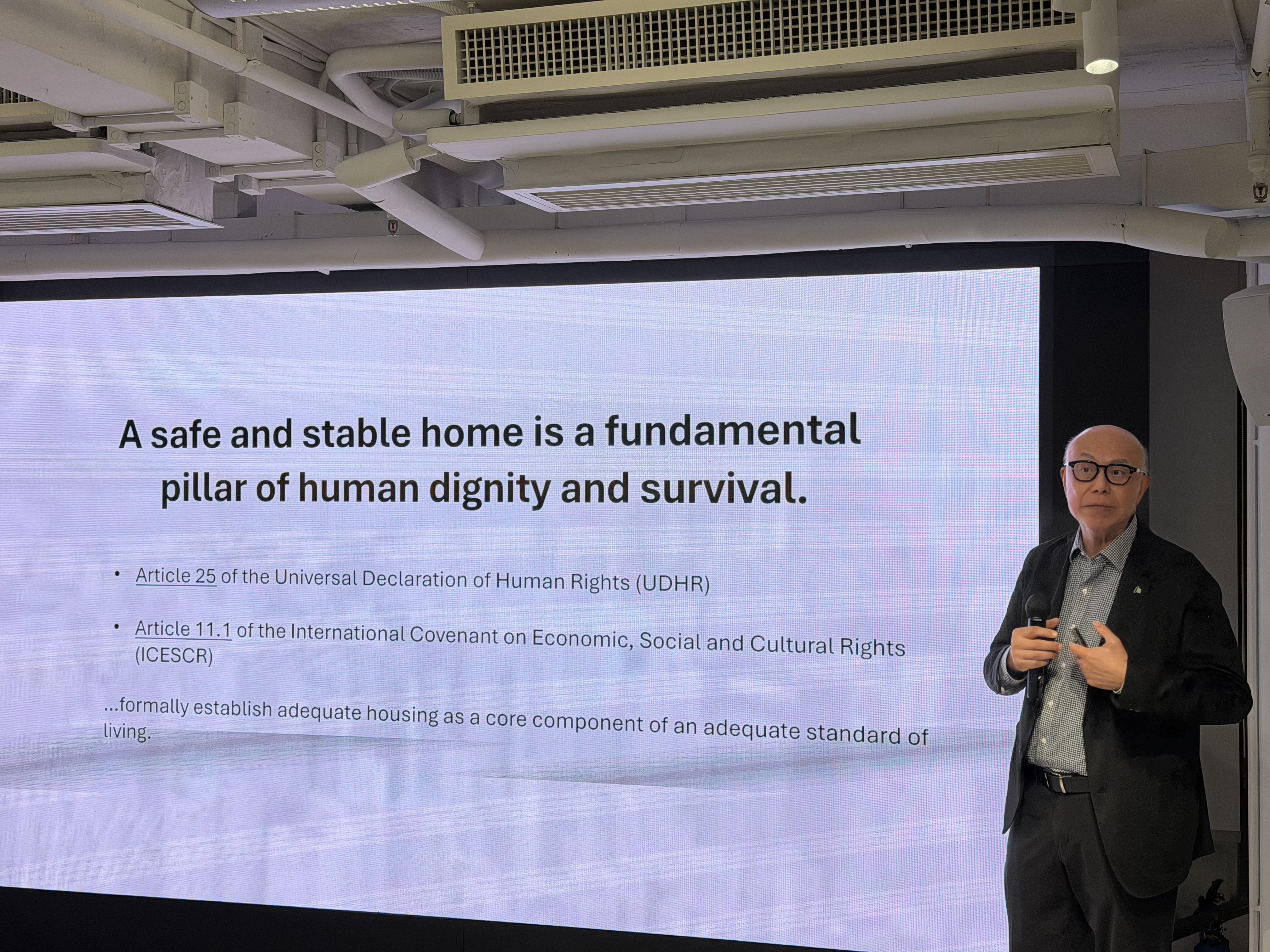
- Holistic Urban Renewal & Redefining Success: Ar. Donald Choi (Managing Director and Deputy Chairman, Urban Renewal Authority) argued passionately that housing is a right, not a commodity, challenging the intense societal pressure for homeownership which he noted can often stifle youth entrepreneurship. Highlighting the financial fragility of urban renewal post-COVID, he called for strong government support and a holistic, district-wide approach that integrates living, working, and public spaces without causing gentrification.
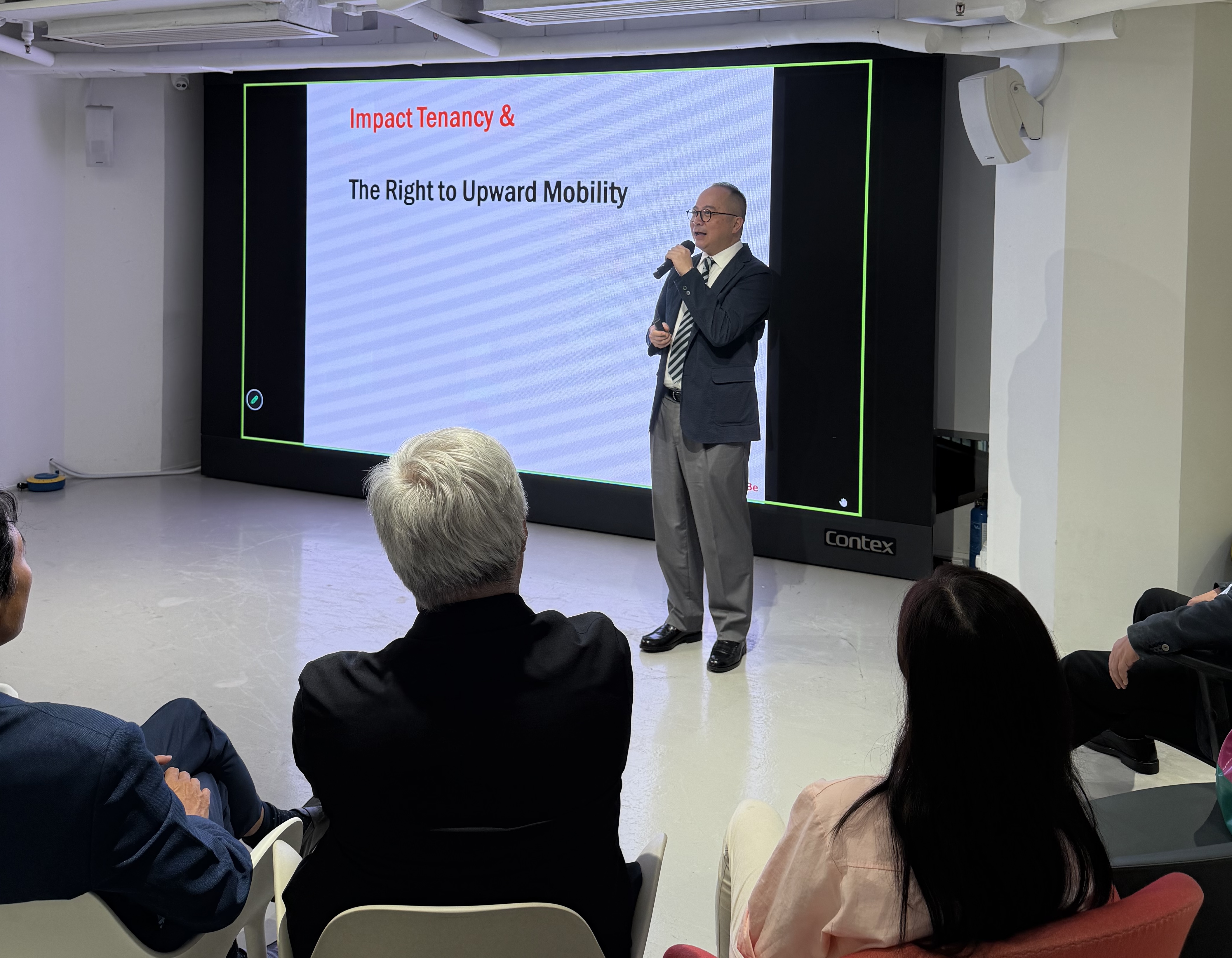
- Housing as an Engine for Upward Mobility: Innovative models, such as the "upward mobility agency" championed by Mr. Ricky Yu (Founder and CEO, Light Be), demonstrate how time-limited, goal-oriented housing programmes can empower tenants towards financial independence.
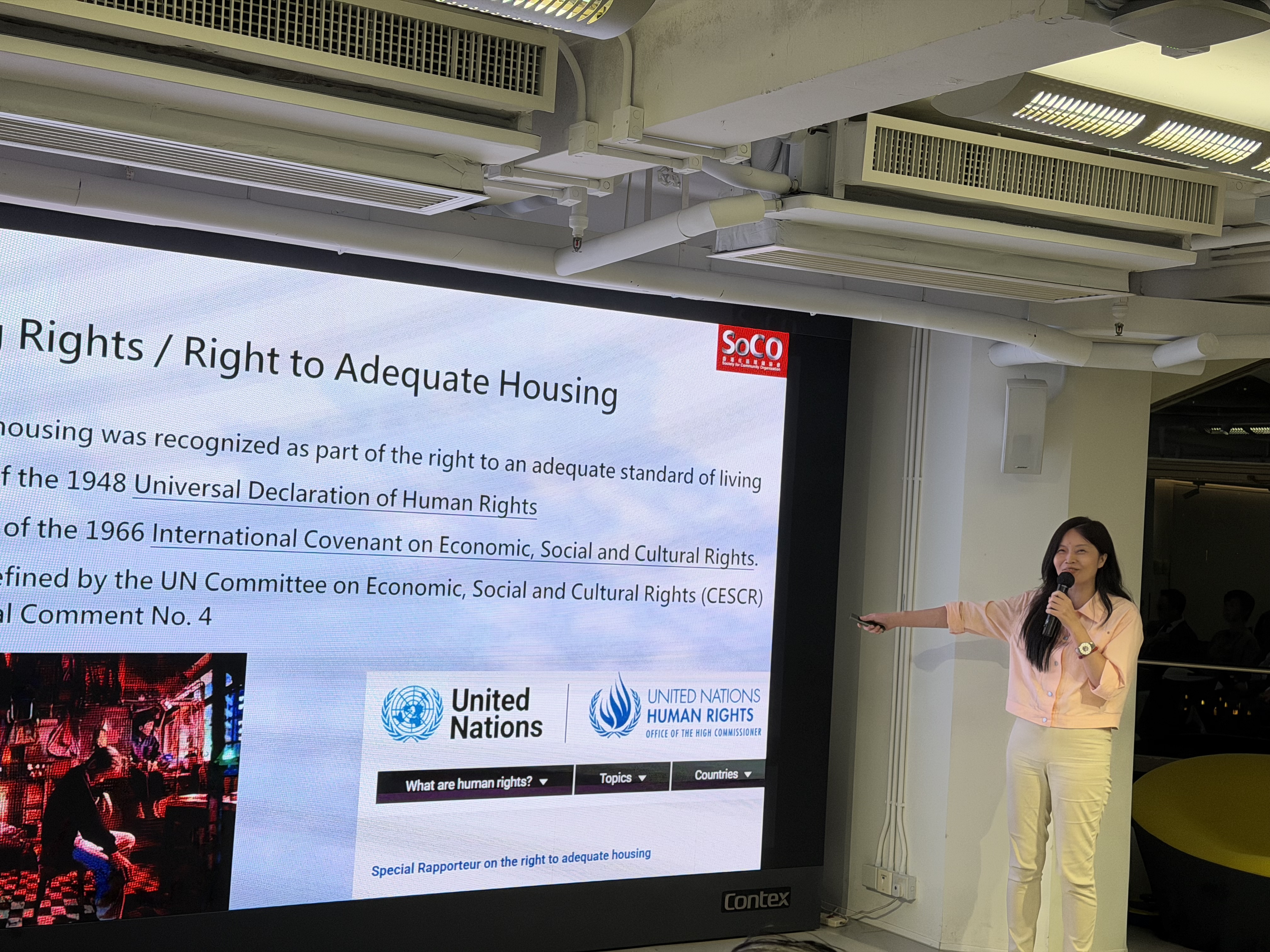
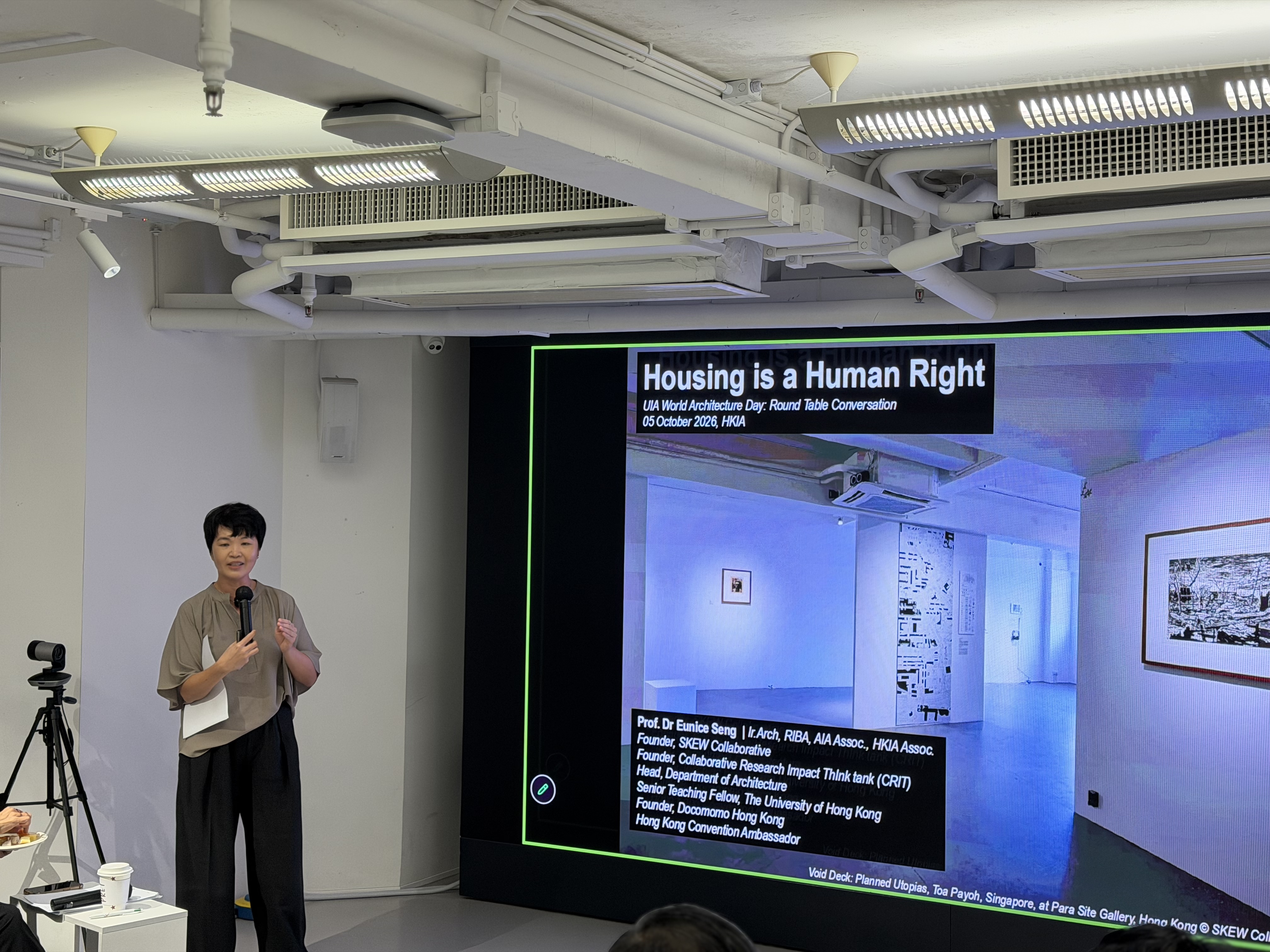
- Addressing Policy Blind Spots: Advocates highlighted critical gaps, with Ms. Sze Lai-shan (Deputy Director, Society for Community Organization) raising urgent concerns regarding the exclusion of non-elderly single persons from official housing KPIs. Prof. Eunice Seng (Head of Architecture Department, HKU) also provided valuable insights into housing as a cultural ecosystem, advocating for resilient, adaptive designs.
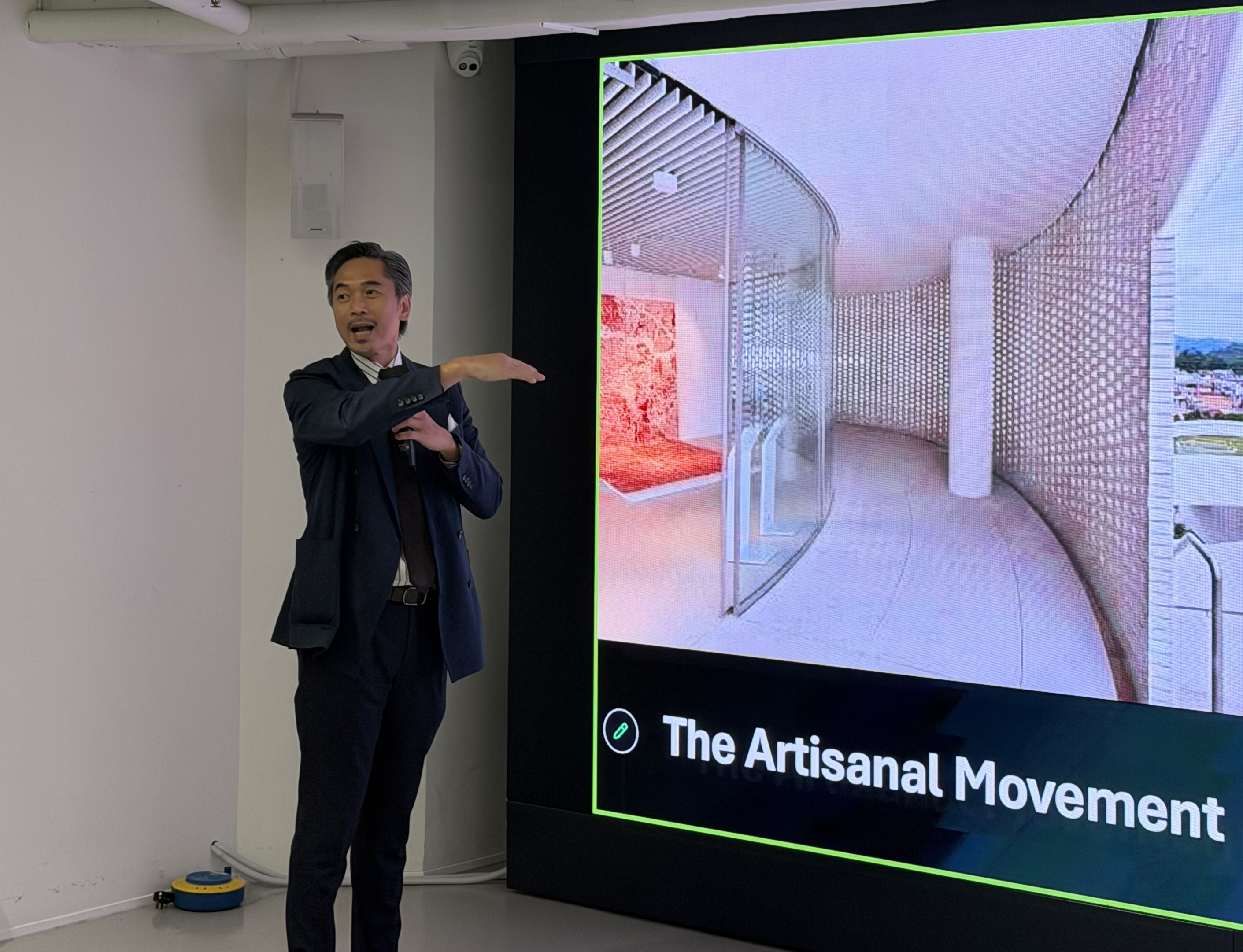
- Private Sector Innovation: Facing immense market pressures, private developers are adopting an "artisan" approach. Ar. Edwin Chan (Head of Projects, New World Development Company Limited) explained how integrating productive landscapes and highly practical, human-centred details creates unique community identities.
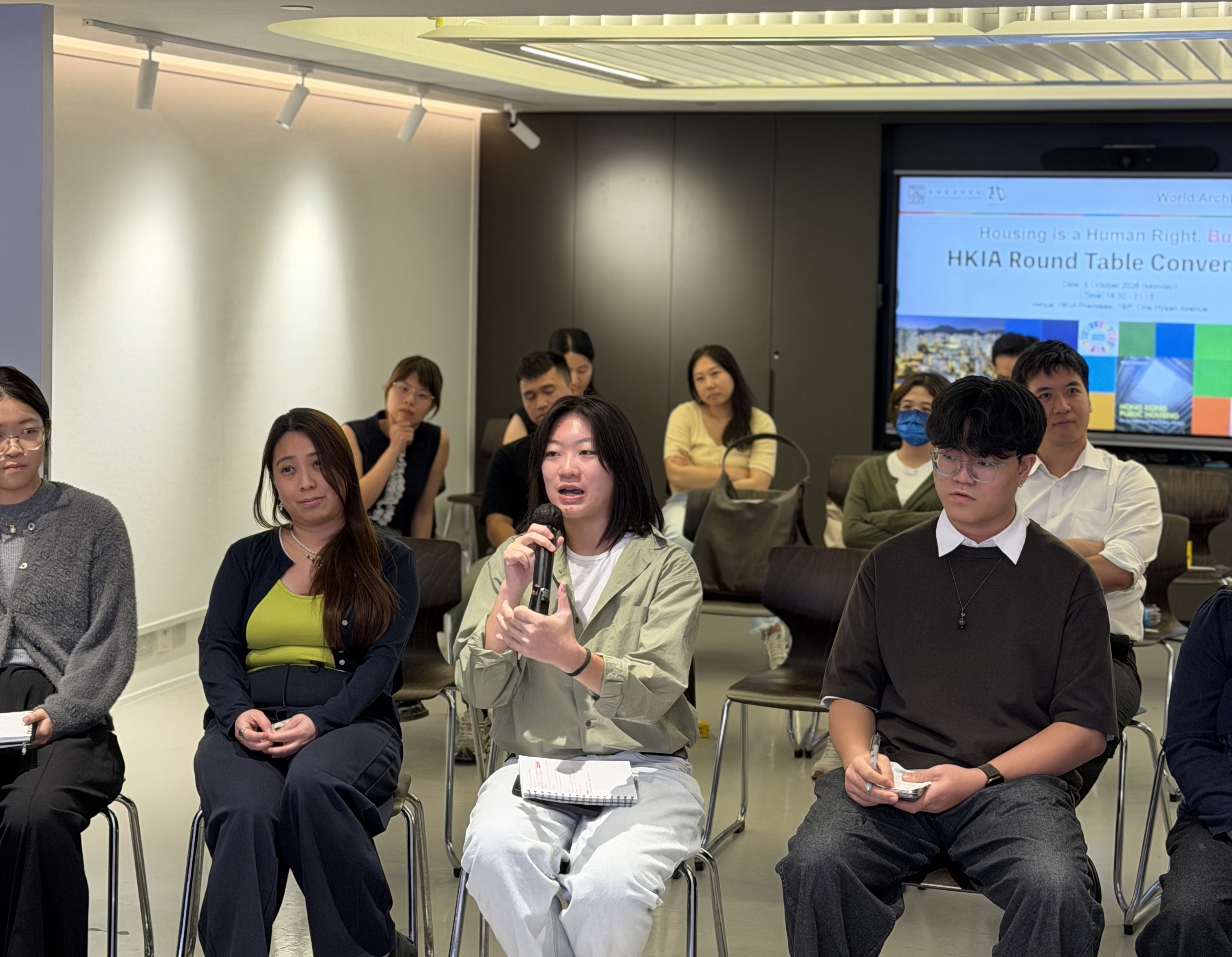
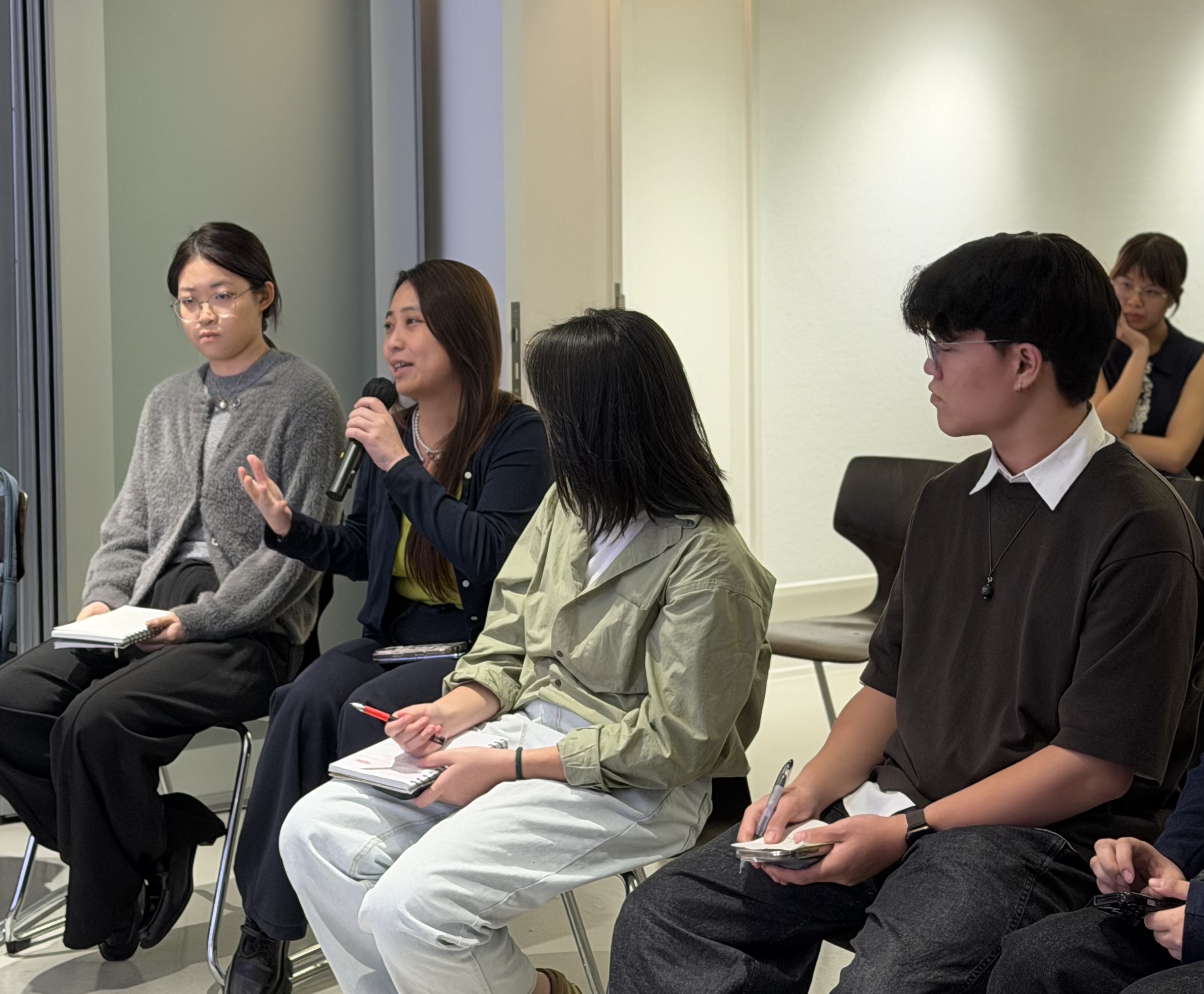
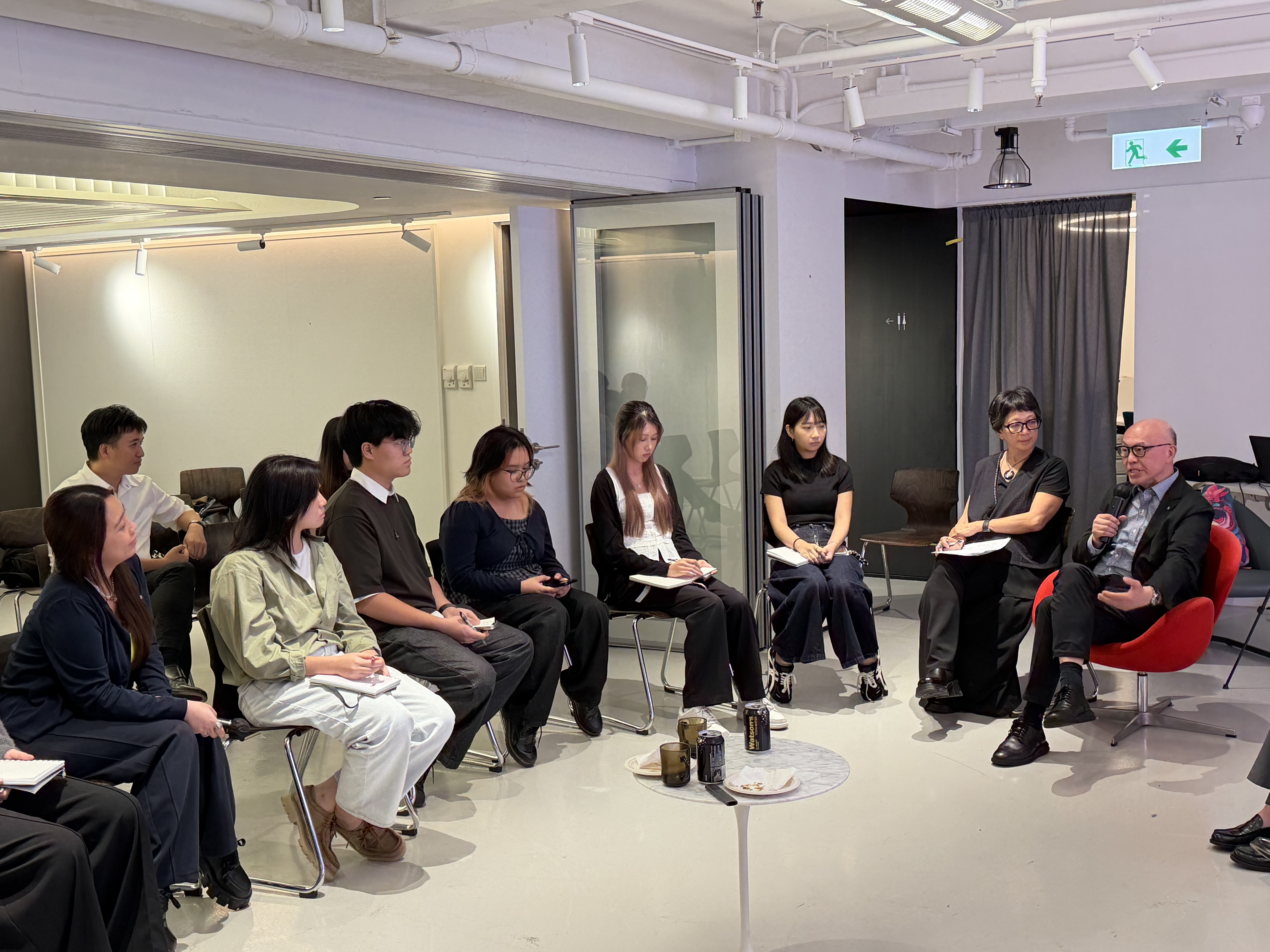
- Empowering the Younger Generation: A true highlight of the evening was the dynamic exchange sparked by architecture and design students from HKDI and CUHK. The younger generation raised thoughtful questions on balancing regulatory constraints with aesthetic design in transitional housing, proposed dynamic periodic reviews of public spaces, and advocated for "honest" design that reflects local history. In response, practitioners underscored that genuine design excellence stems from continuous community engagement, serving as a vital reminder that in twenty years, these young minds will be the ones making the critical decisions for our city.
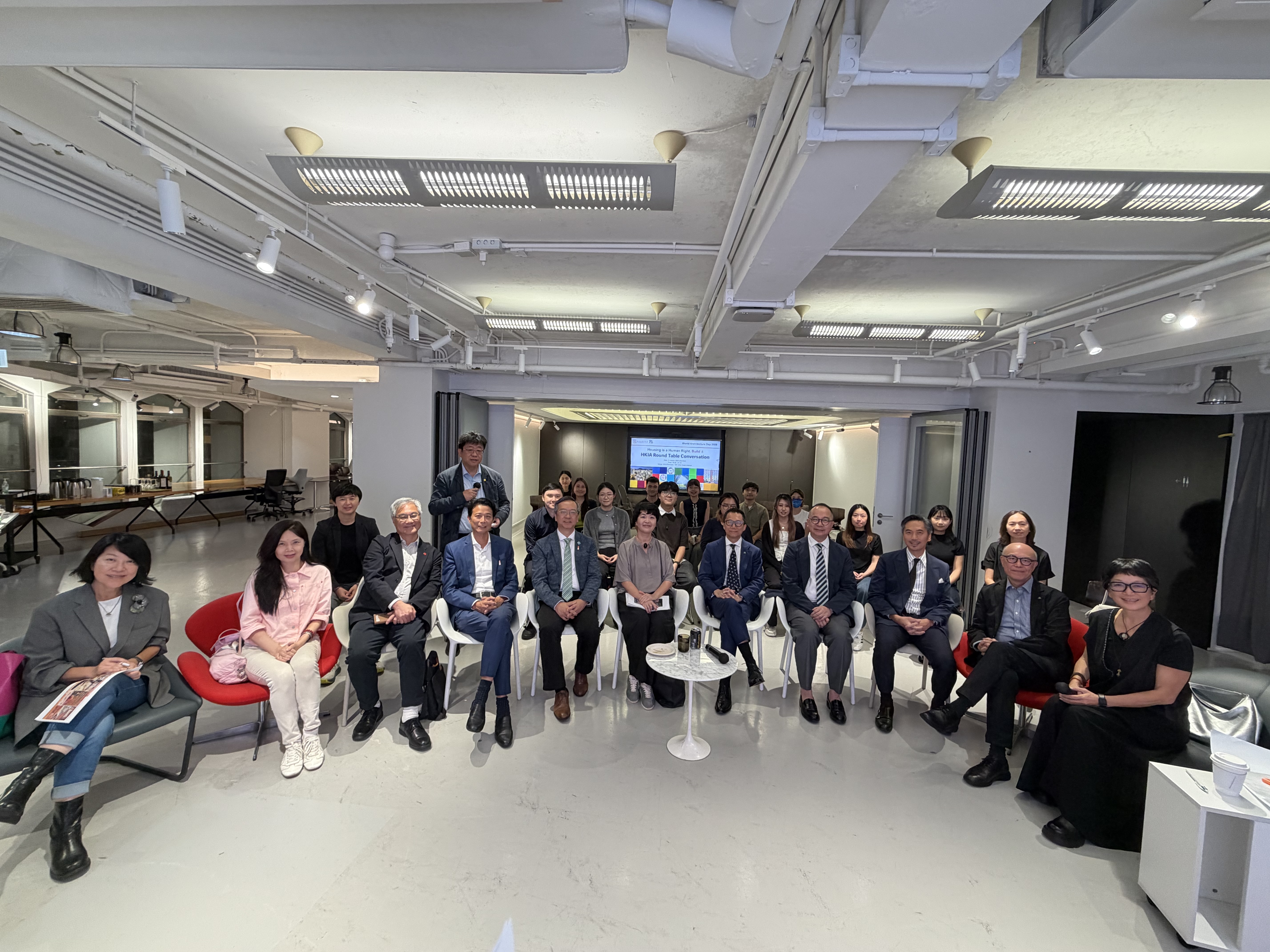
We extend our deepest gratitude to all our esteemed speakers—Ar. Victor Tai, Ar. Donald Choi, Prof. K.K. Ling, Ar. Helen Leung, Dr. Tim Li, Prof. Eunice Seng, Ar. Edwin Chan, Mr. Ricky Yu, and Ms. Sze Lai-shan—for their invaluable insights and dedication to shaping a better Hong Kong.
A special thank you to our moderators, Ar. Corrin Chan and Ar. Stephen Ho, for framing this vital conversation, and to the student participants for bringing such inspiring energy and forward-thinking ideas to the floor.